
 Image 1 of 2
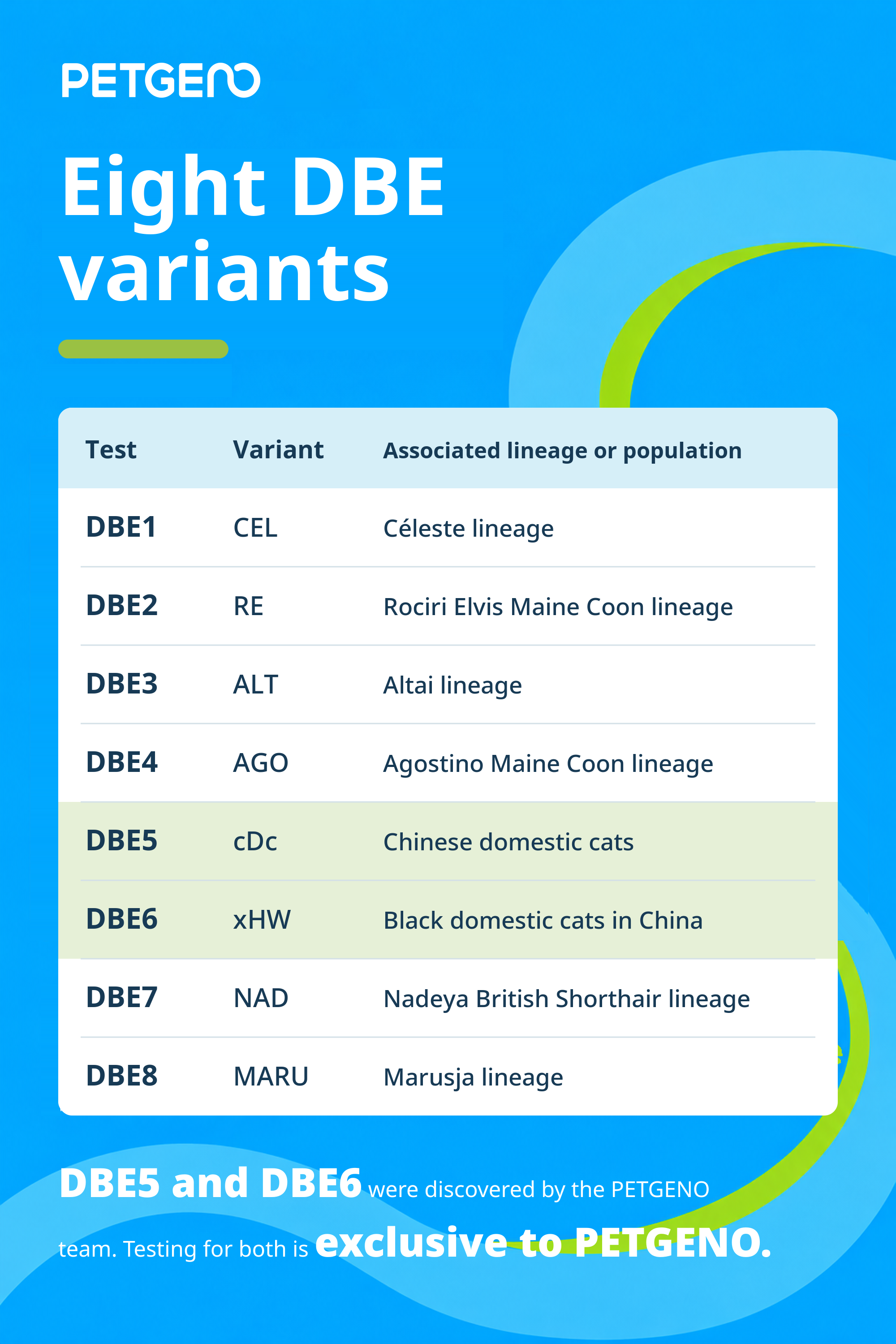 Image 2 of 2
Pathophysiology
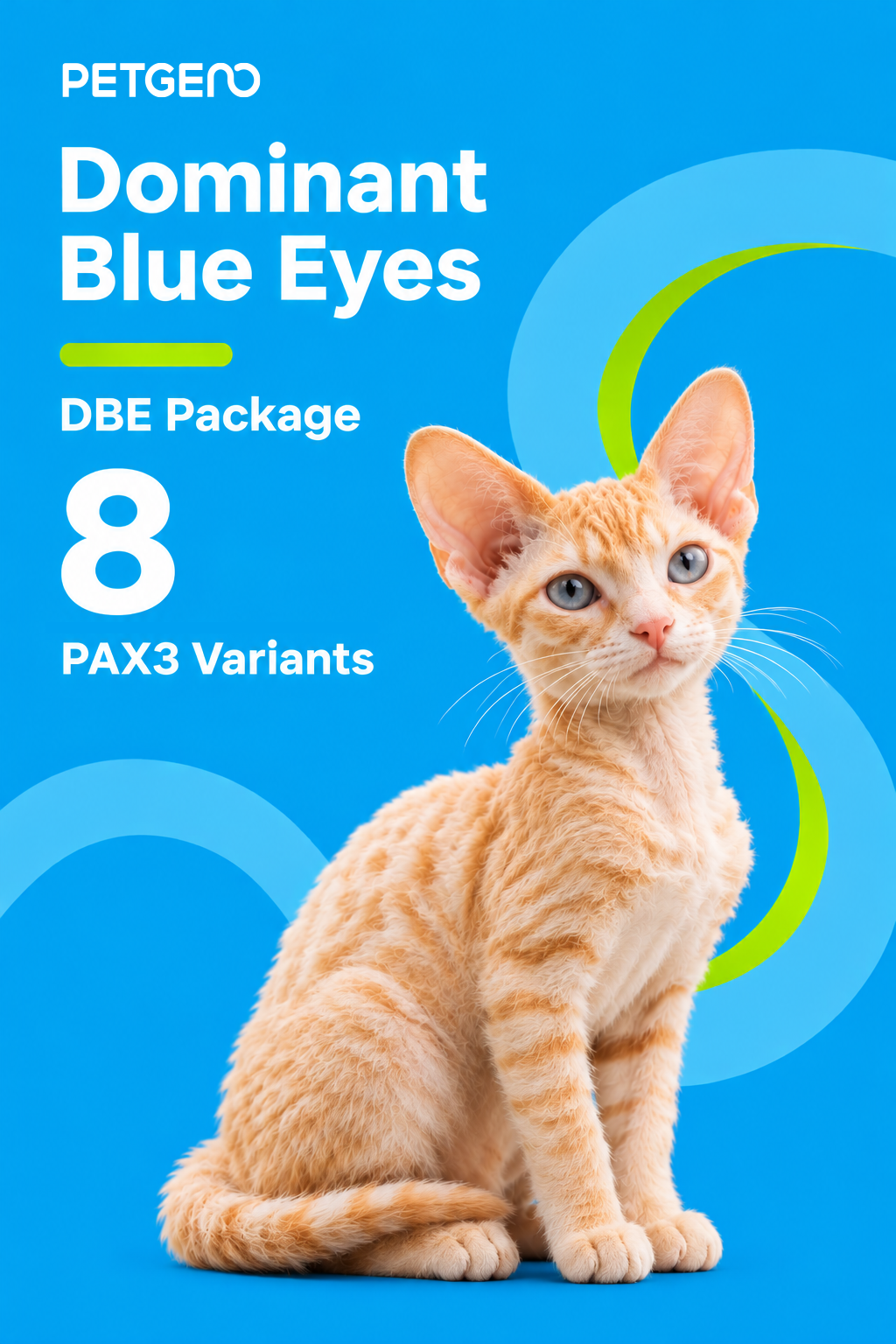
PAX3 helps guide the development of melanocytes, the cells that produce pigment. When a DBE-associated variant affects this process, parts of the iris can develop with less pigment and appear blue. The visible effect can differ between the two eyes and even within a single iris. Some cats also have small areas of white fur.
Melanocytes also support normal function in the inner ear. This connection helps explain why certain DBE variants can affect both pigmentation and hearing, and why hearing is relevant when interpreting results from some lineages.
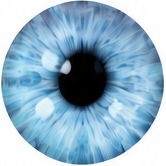
Blue iris
(reduced pigment)
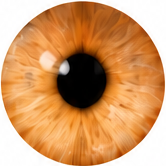
Pigmented iris
(typical)
Complications
Hearing Outcomes
Hearing outcomes vary by variant and by cat. In the Rociri Elvis lineage (DBE2, RE), researchers have documented cats with hearing loss as well as cats with normal hearing. A genetic result can identify the RE variant; a veterinary hearing assessment establishes how well the individual cat hears.
Variant Combinations
The combination of variants can also matter. Deafness has been reported in cats with two ALT copies and in cats with one CEL and one ALT copy. These findings are specific to the combinations studied. Applying the same hearing-risk estimate to all eight variants would go beyond the available evidence.
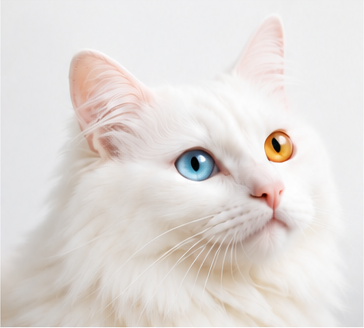
Why This Matters to Breeders and Vets
● Breeding decisions. Two cats with similar blue eyes can carry different PAX3 variants. Knowing the result for each prospective parent helps a breeder and veterinarian assess which variant combinations their kittens could inherit.
● Identifying cats without visible blue eyes. In a family with a known DBE variant, testing can identify relatives that carry it despite having two normally pigmented eyes. This is particularly relevant when tracing inheritance across generations.
● Breed standards and pedigree records. Recording the specific variant alongside the pedigree distinguishes a documented genetic finding from a description such as “blue-eyed” or “odd-eyed.” For registration or showing, consult the relevant registry’s current breed standard.
● Veterinary care. Where hearing is a concern, a veterinarian can use a brainstem auditory evoked response (BAER) test to assess each ear individually. This is particularly valuable when a cat responds to everyday sounds but may hear through only one ear.
● Variant diversity. DBE has arisen independently in several feline lines. For example, the 2026 study identified NAD in the family of the British Shorthair founder Nadeya and MARU in a separate family descended from Marusya. This is why the exact variant name is more informative than breed alone.

Summary
The PETGENO DBE Package identifies whether a cat carries any of eight tested PAX3 variants associated with dominant blue eyes. A positive result identifies the variant detected and can help explain how the trait runs in a family. A negative result means none of the eight was detected; other genetic causes of blue eyes remain possible. Hearing is assessed separately when indicated.
Recommended Breeding
01
Check the exact variant in each parent.
Record both results before planning a mating involving a known DBE line. Include relatives with normally pigmented eyes when their pedigree indicates they could have inherited the family variant.
02
Review pairings in which both cats carry a DBE variant.
Kittens could inherit two copies of the same variant or one copy of each of two different variants. Discuss the specific combination with a veterinarian experienced in feline genetics, especially where hearing or developmental complications have been reported.
03
Document hearing separately.
Keep any BAER findings alongside the DNA result and pedigree. Recording hearing status for each ear gives future caregivers and veterinarians information that eye colour alone cannot provide.
04
Consider the whole cat and the breeding population.
Weigh DBE results alongside temperament, overall health, breed-relevant health screening and genetic diversity. Share the exact variant and any hearing findings when passing on a cat’s health records.